Introduction
The construction industry has become more competitive than ever, and simply having a website is no longer enough to attract qualified clients. Whether your company specializes in residential construction, commercial projects, remodeling, or general contracting, your potential customers are searching online before making a decision. Therefore, investing in the right SEO strategy is essential for long-term business growth.
However, successful search engine optimization requires more than publishing content or adding keywords to your website. We need reliable tools that help us research opportunities, monitor rankings, analyze competitors, improve technical performance, and create content that matches user intent. Fortunately, modern construction SEO tools make these tasks easier while providing valuable insights that support better marketing decisions.
In this guide, we will explore the best SEO tools for construction companies, explain how each platform supports growth, and discuss how to build a practical SEO workflow that generates consistent leads and stronger online visibility.
Why SEO Tools Matter for Construction Companies
Search engine optimization involves dozens of moving parts. From keyword research to technical website health, every component influences how search engines evaluate your website.
Additionally, construction businesses often compete within specific geographic locations, making local optimization especially important. Professional SEO tools help us identify opportunities that would otherwise remain hidden while allowing us to make informed decisions based on real data rather than assumptions.
Some of the biggest advantages include:
- Discovering valuable construction-related search terms
- Tracking keyword rankings over time
- Monitoring local search visibility
- Finding technical website issues
- Understanding competitor strategies
- Improving website performance
- Measuring SEO success with accurate reporting
Consequently, businesses can focus their resources on activities that deliver measurable results instead of relying on guesswork.
What Makes an SEO Tool Valuable for Construction Businesses?
Before choosing any software, we should understand which features actually support construction marketing.
Accurate Keyword Research
Every successful SEO campaign begins with understanding what customers search for online. Strong keyword research platforms identify opportunities related to construction services, remodeling, roofing, home extensions, commercial building, and local contractor searches.
Moreover, they reveal search volume, competition levels, and ranking difficulty, allowing us to prioritize the most valuable opportunities.
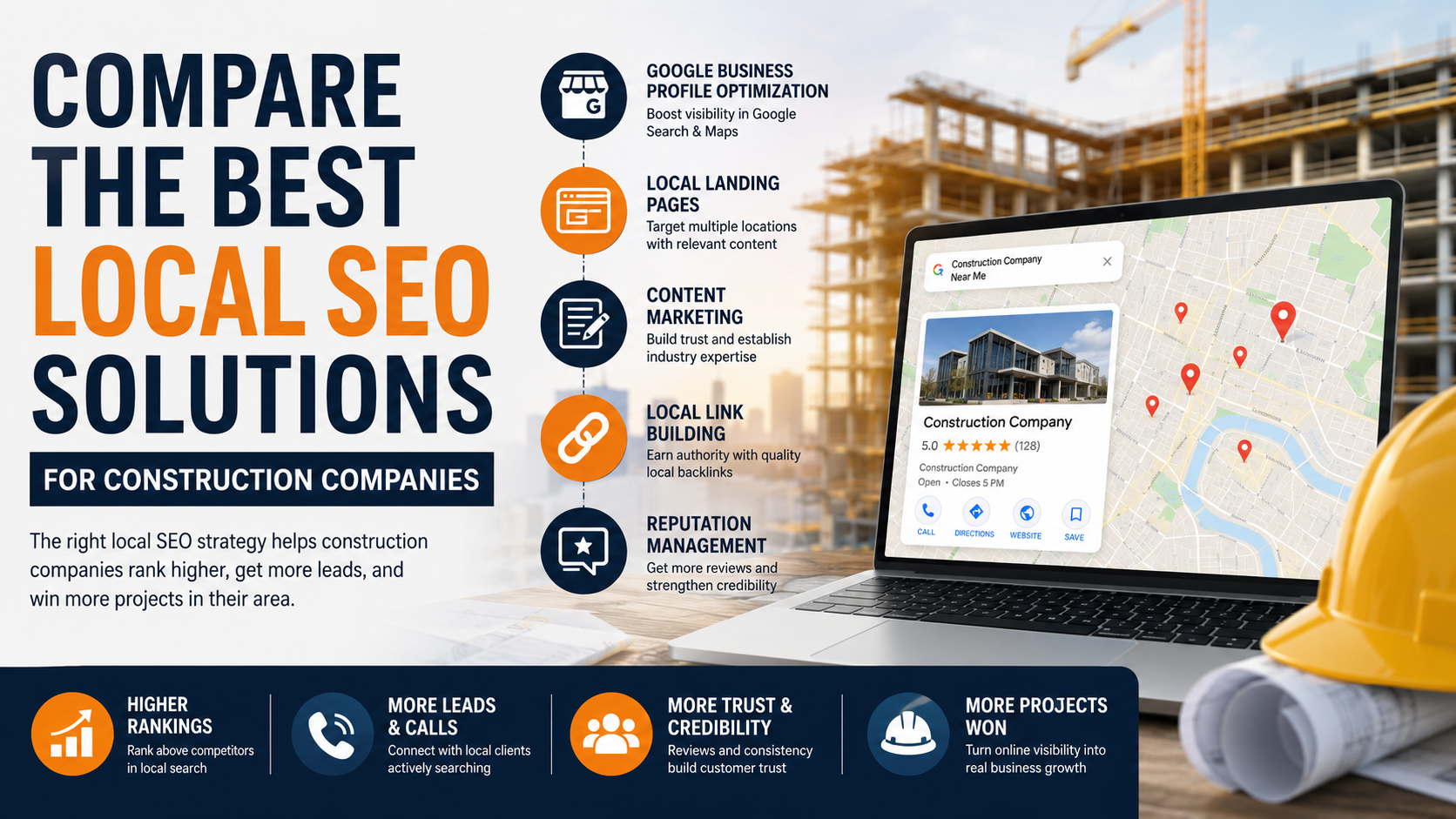
Local Search Optimization
Most construction companies serve specific cities or regions rather than nationwide audiences.
Therefore, local search features are essential for improving visibility in Google Maps, local search results, and location-based searches.
Competitor Analysis
Understanding competing contractors provides valuable insight into successful strategies.
Effective SEO platforms reveal:
- Competitor keywords
- Top-performing pages
- Backlink profiles
- Content strategies
- Ranking improvements
As a result, we can identify gaps and create stronger content that addresses customer needs more effectively.
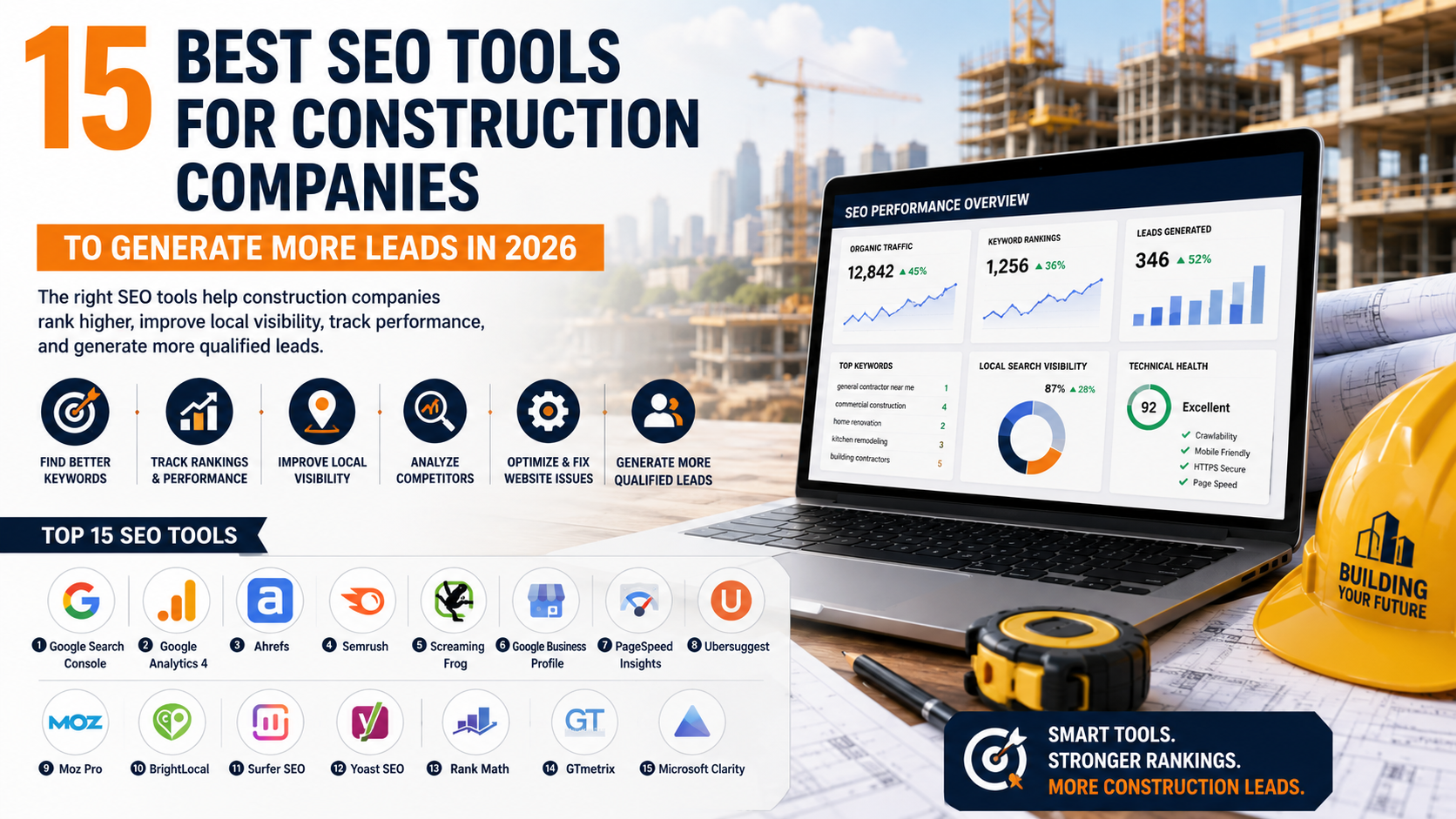
15 Best SEO Tools for Construction Companies
1. Google Search Console
Google Search Console remains one of the most valuable free resources available.
It helps us understand how Google views our website while identifying indexing problems, search performance, page experience issues, and keyword impressions. Additionally, it provides valuable information about clicks, rankings, and technical errors that require attention.
2. Google Analytics 4
Traffic alone does not guarantee business growth.
Google Analytics shows where visitors come from, how they interact with pages, and which marketing channels generate qualified leads. Consequently, construction companies can measure the true effectiveness of their SEO campaigns.
3. Ahrefs
Ahrefs offers one of the largest backlink databases available.
Beyond backlink analysis, it provides keyword research, competitor monitoring, content analysis, and rank tracking. Many professionals use it to identify opportunities that improve SEO for construction companies while uncovering high-value content topics.
4. Semrush
Semrush combines multiple marketing tools into one platform.
Its capabilities include:
- Keyword research
- Technical website audits
- Position tracking
- Competitor research
- Local SEO monitoring
- Content optimization
Additionally, the platform simplifies reporting for marketing teams managing multiple construction websites.
5. Screaming Frog SEO Spider
Technical SEO often determines whether search engines can properly crawl a website.
Screaming Frog scans websites to identify:
- Broken links
- Missing metadata
- Redirect chains
- Duplicate content
- Crawl errors
- Internal linking issues
Therefore, it plays an important role in maintaining healthy construction websites.
6. Google Business Profile Manager
Construction companies relying on local customers should never overlook Google Business Profile.
Maintaining accurate business information improves visibility in local searches while increasing trust among potential clients.
Moreover, reviews, photos, business updates, and service listings contribute significantly to local SEO success.
7. PageSpeed Insights
Website speed directly affects user experience and search performance.
PageSpeed Insights evaluates loading performance and provides recommendations that improve website responsiveness across desktop and mobile devices.
8. Surfer SEO
Creating optimized content becomes much easier with Surfer SEO.
The platform analyzes top-ranking pages and recommends content improvements based on semantic relevance, readability, keyword coverage, and topical authority.
9. Clearscope
Content quality remains one of Google’s strongest ranking signals.
Clearscope helps writers naturally incorporate relevant terminology while ensuring articles satisfy user intent without excessive keyword repetition.
10. Moz Pro
Moz Pro continues to be a trusted SEO solution.
Its keyword explorer, site audits, rank tracking, and domain authority metrics help construction businesses monitor overall SEO health.
11. BrightLocal
BrightLocal specializes in local SEO management.
Construction companies serving multiple locations benefit from citation management, review monitoring, local ranking reports, and business listing consistency.
12. GTmetrix
Website performance affects both user satisfaction and conversion rates.
GTmetrix provides detailed reports on page speed, performance bottlenecks, and optimization opportunities.
13. Bing Webmaster Tools
Although Google dominates search traffic, Bing still delivers valuable visitors.
Using Bing Webmaster Tools allows us to monitor website performance across Microsoft’s search engine while identifying additional optimization opportunities.
14. AnswerThePublic
Construction customers ask hundreds of questions before hiring a contractor.
AnswerThePublic uncovers these questions, helping us create educational content that addresses real customer concerns while expanding topical authority.
15. Yoast SEO or Rank Math
WordPress websites benefit greatly from SEO plugins.
These tools simplify metadata optimization, XML sitemap creation, schema implementation, internal linking suggestions, and readability improvements.
Consequently, managing on-page optimization becomes much more efficient.
How Construction Companies Should Build Their SEO Workflow
Owning premium software alone will not improve rankings.
Instead, we should develop a structured workflow that combines research, implementation, and continuous optimization.
Start with Keyword Research
Begin by identifying relevant construction SEO keywords based on customer intent.
Focus on informational, commercial, and local searches that align with your services.
Additionally, prioritize long-tail opportunities because they often generate more qualified traffic with lower competition.
Perform Regular Technical Audits
Search engines reward websites that provide excellent user experiences.
Regular technical audits identify issues before they negatively affect rankings. Furthermore, fixing crawl errors, duplicate pages, and broken links improves overall website health.
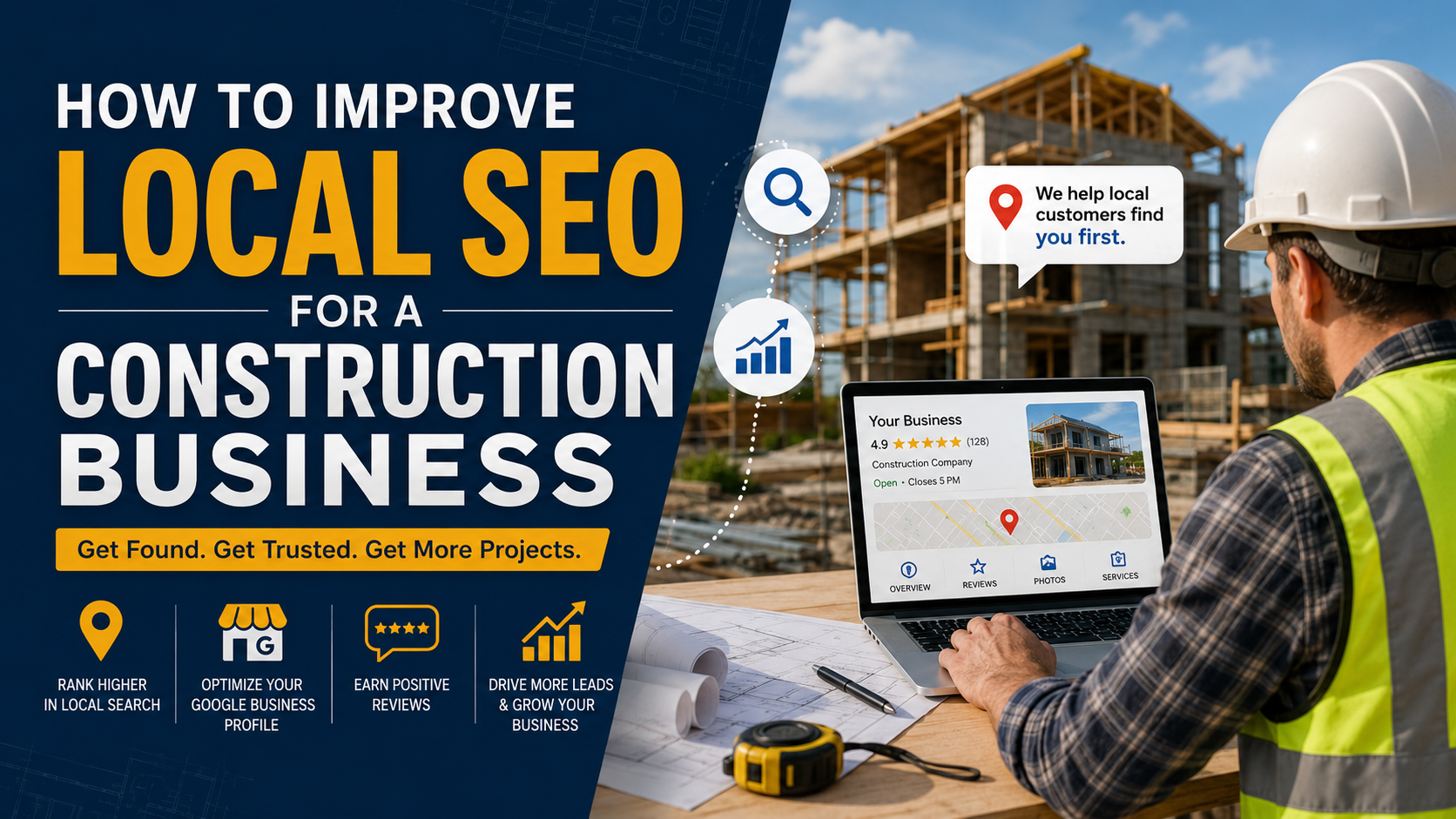
Optimize Local Presence
Construction businesses depend heavily on local visibility.
Therefore, maintaining accurate business information, collecting customer reviews, and optimizing location pages should remain ongoing priorities.
Create Helpful Educational Content
Modern SEO emphasizes expertise and user value.
Instead of publishing promotional pages alone, we should create educational guides that answer customer questions throughout every stage of the buying journey.
This strategy supports stronger authority while increasing opportunities to rank for informational searches.
Measure Performance Consistently
SEO requires patience.
Tracking keyword rankings, organic traffic, lead generation, and user engagement allows us to understand what works while identifying areas for improvement.
Common Mistakes When Choosing SEO Tools
Many businesses purchase expensive software without defining clear objectives.
Instead, we should avoid these common mistakes:
- Paying for features we never use
- Ignoring local SEO capabilities
- Focusing only on keyword rankings
- Neglecting technical website health
- Failing to monitor competitor performance
- Not reviewing analytics regularly
Consequently, selecting tools that match business goals delivers greater long-term value.
How to Combine Multiple SEO Tools Effectively
No single platform provides every feature needed for comprehensive optimization.
Many successful construction businesses combine several tools together.
For example:
- Google Search Console for performance monitoring
- Google Analytics for visitor behavior
- Ahrefs for backlinks and competitor analysis
- Screaming Frog for technical audits
- BrightLocal for local optimization
- Surfer SEO for content improvements
This balanced approach provides complete visibility across every aspect of SEO.
Conclusion
Choosing the best SEO tools for construction companies involves more than comparing software features. We should focus on platforms that help us understand customer behavior, improve website quality, strengthen local visibility, and produce helpful content that aligns with modern search engine expectations.
Moreover, combining keyword research, technical optimization, competitor analysis, local SEO, and performance measurement creates a sustainable strategy capable of generating qualified leads over the long term. As Google’s algorithms continue evolving, businesses that invest in data-driven optimization and valuable content will remain well positioned to outperform competitors and build lasting online authority.
Frequently Asked Questions
Which SEO tool should a small construction company start with?
Small construction businesses should begin with Google Search Console, Google Analytics, and Google Business Profile because these free tools provide valuable insights into website performance, local visibility, and customer behavior before investing in premium platforms.
How often should construction companies perform an SEO audit?
A comprehensive SEO audit should be conducted at least every three to six months. However, technical checks and performance monitoring should occur monthly to identify issues before they affect search visibility.
Can construction companies improve rankings without paid SEO tools?
Yes. Free platforms provide excellent foundational data. Nevertheless, premium tools offer deeper competitor research, backlink analysis, and advanced keyword insights that accelerate growth.
What is the biggest SEO challenge for construction companies?
Local competition is often the greatest challenge. Construction businesses compete within specific service areas, making local search optimization, customer reviews, and location-focused content essential for higher rankings.
How long does SEO take to generate construction leads?
Most construction companies begin seeing measurable improvements within three to six months. However, highly competitive markets may require additional time depending on website quality, competition, and content consistency.